%2Ffit-in%2F250x250%2Fguide_websites%2F31484%2Fimages%2F1748046851138chatgpt_image_may_24__2025__08_27_20_am-removebg-preview.png&w=1920&q=100)
Sand Perch Fishing in Niceville FL - Fresh Catch
Sand Perch Fishing in Niceville - What to Expect
%2F%2Fusers%2Feb3d4f5d-4ff8-4579-b6bc-64ee754e5aeb%2Fimages%2Fniceville-sand-perch-fishing-success-2656.jpg&w=1920&q=75)
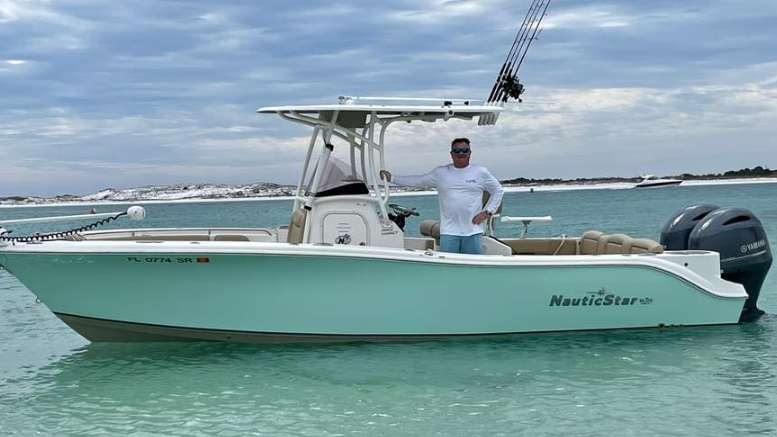
Fishing Charter by Captain Wayne Alexander in June
- Expert Guides for Niceville Fishing Adventures


Summary
Join a fishing charter in Niceville, Florida on Sunday, June to target sand perch and other coastal species. Captain Wayne Alexander operates from Just Add Water Charters, offering professional-guided fishing experiences in the Destin area with quality gear and local expertise included.
Fishing Charter with Captain Wayne Alexander - Rates & Booking
Captain Wayne Alexander of Just Add Water Charters operates professional fishing charters on Sunday, June in the Niceville and Destin area. His approach combines years of local knowledge with a commitment to landing quality fish and creating memorable experiences on the water. When booking your fishing charter, you'll have access to the exact locations where sand perch and similar species congregate, guided by someone who understands the seasonal patterns and techniques that work.
Just Add Water Charters provides all necessary fishing equipment and local expertise for your charter experience. The captain's reputation is built on consistent results and attention to guest comfort throughout the fishing day. Contact the charter directly to inquire about current rates, available dates, and specific details about group size and timing for your preferred fishing adventure.
Highlights of Your Fishing Experience
Sand perch fishing in this region offers consistent action with quality fish. The Niceville waters provide excellent habitat for sand perch during summer months, when they're actively feeding in the coastal zones. You'll experience the satisfaction of landing these hard-fighting fish while enjoying the natural beauty of Florida's Gulf coast environment.
Working with a professional captain means targeting proven spots and using techniques specifically refined for local conditions. The experience goes beyond just fishing - it's about understanding the water, reading conditions, and positioning yourself for success. Captain Alexander's charter puts you directly in productive areas where multiple species are available.
Local Species Insights: Sand Perch
Sand perch are a prized catch throughout Florida's Gulf waters and represent the kind of species that deliver reliable action for fishing charters. These fish inhabit sandy bottoms and shallow coastal zones, where they feed on small crustaceans and other bottom-dwelling prey. They respond well to traditional fishing techniques and are known for their spirited fights, making them excellent targets for both experienced anglers and those new to saltwater fishing.
The sand perch's habitat preference for sandy substrate near grass beds and sandy flats creates specific fishing strategies. They often school together, which means once you locate productive spots, you can expect consistent catches throughout your charter. The warmer Gulf waters during summer months like June create ideal feeding conditions. Sand perch typically range from one to three pounds, making them a manageable and fun catch that provides excellent eating quality if you choose to keep your fish.
Fishing for sand perch requires understanding their behavioral patterns and the environmental factors that influence their location. Temperature, tidal movement, and seasonal migration all play roles in their presence in specific areas. Professional guides like Captain Alexander have tracked these patterns over years of fishing experience, positioning charters to intercept actively feeding populations.
Plan Your Fishing Day
A typical charter from Just Add Water Charters includes all necessary fishing equipment, local knowledge about current conditions, and guidance on technique. The captain handles navigation to productive waters and provides instruction on casting, retrieval, and fish handling. Most fishing charters accommodate small groups, allowing for a personalized experience tailored to your skill level and preferences.
Plan to spend time on the water during optimal feeding windows. Morning departures often provide excellent fishing conditions when water is calm and fish are most active. Bring sunscreen, polarized sunglasses, and appropriate clothing for Gulf coast weather. The charter will coordinate specific timing based on current weather conditions and tidal schedules that influence fish activity in the area.
Fishing in Destin: Sand Perch
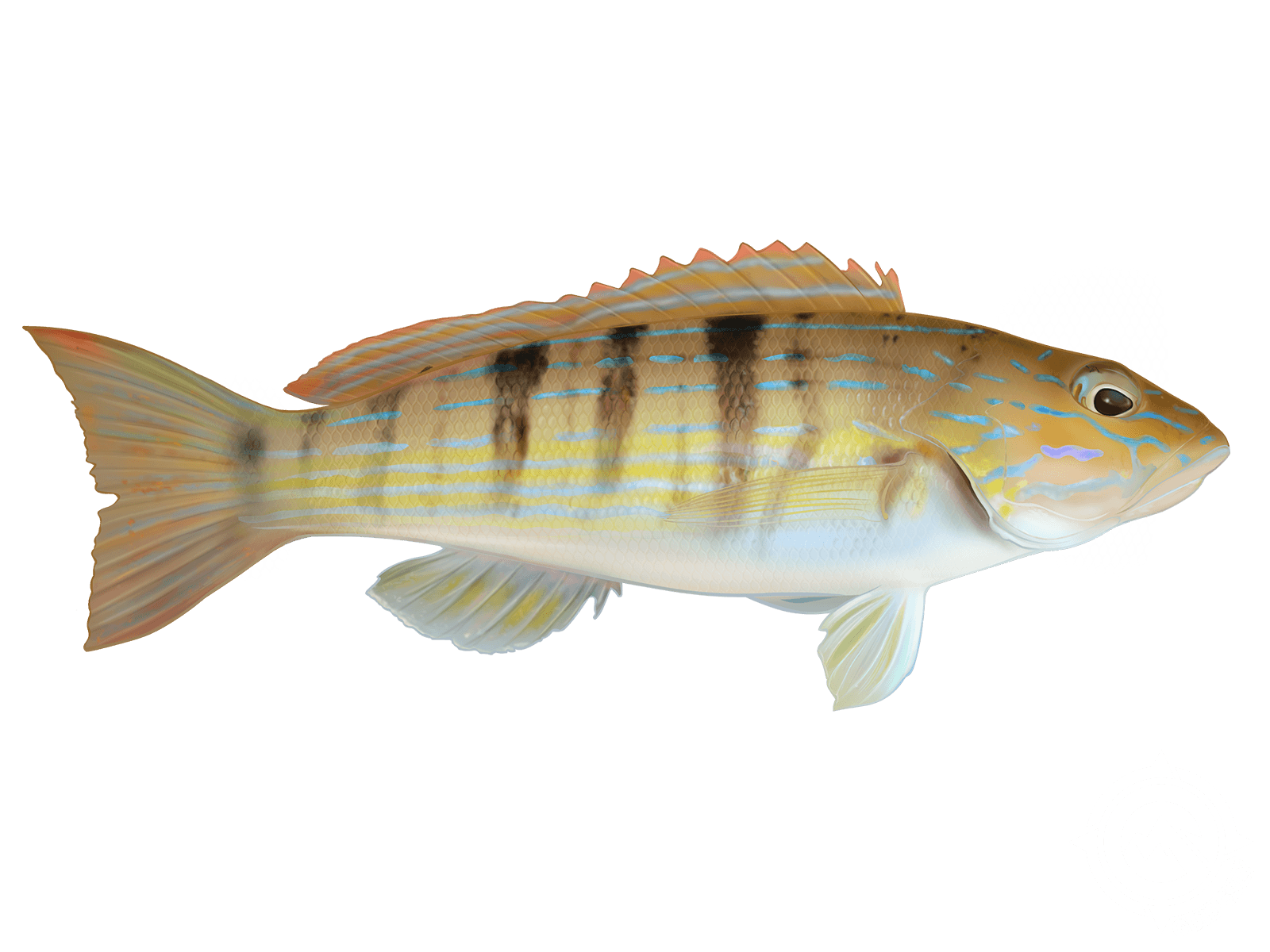
Sand Perch Overview
The Sand Perch (Diplectrum formosum) is a fascinating member of the Serranidae family, part of the larger order Perciformes, and represents one of the Atlantic coast's most accessible yet often overlooked panfish species. Also known as sand sea bass, sandfish, or squirrelfish, this small but spirited inshore fish has earned a special place in the hearts of coastal anglers and marine enthusiasts. What makes the Sand Perch truly interesting is its striking appearance—adorned with dark vertical bars, seven irregular horizontal blue lines, and a distinctive midline stripe that culminates in a dark spot at the tail base. These territorial little fighters are commonly found in shallow bays, over sandy and rubble substrates, and around coastal structures from Florida to the Carolinas and beyond, making them a reliable target for both experienced anglers and newcomers looking to experience the thrill of saltwater fishing.
Sand Perches are beloved among local fishing communities because they're accessible, plentiful in the right habitats, and offer an exciting, if brief, battle on light tackle. Their behavioral quirks—such as rapid color-changing abilities and solitary territorial habits—make them endlessly entertaining to observe and pursue.
Sand Perch Habitat and Distribution
Sand Perches are benthic creatures that call shallow, warm inshore waters home. These fish prefer to inhabit areas with rubble or sand substrates, typically found at depths ranging from a few feet down to approximately 262 feet, though they're most commonly encountered in shallower zones. They favor shallow bays, seagrass beds, rocky areas, and reefs where they can establish and defend their territories. Sand Perches also thrive around wrecks and deep channels, and they have a preference for living in holes dug into sandy bottoms—these burrows serve as their shelters when predators approach. The species is native to Atlantic coastal waters and shows a strong affinity for inshore environments where food is abundant and suitable substrate is available. These fish are notoriously territorial and do not school like other fish species; instead, they remain isolated, defending their chosen patches with surprising aggression.
Sand Perch Size and Weight
Sand Perches are modest in stature, which is part of their charm as a panfish target. Typical specimens range from 4 to 11 inches in length, with most caught fish falling between 5 and 9 inches. In terms of weight, you can expect these little fighters to tip the scales at 1 to 2 pounds, depending on their age and overall condition. Despite their small size, they put up a spirited fight on appropriate tackle. The species reaches sexual maturity at around 2 to 3 years of age and typically lives up to 6 or 7 years in the wild, allowing for multiple generations within an angler's fishing career.
Sand Perch Diet and Behavior
Sand Perches are ambush predators with an opportunistic appetite, primarily hunting small fishes and crustaceans in shallow coastal environments. Their diet consists of small sea bass, sea robins, blennies, flatfishes, filefish, gobies, crabs, shrimp, and amphipods—essentially whatever small prey they can fit into their notably enlarged, curled-back lips and canine-toothed jaws. These predatory fish are highly territorial, establishing and fiercely defending feeding zones in their chosen habitats. Their behavior is marked by periods of relative inactivity punctuated by rapid feeding strikes when prey is detected. One fascinating behavioral trait is their ability to rapidly change the color and intensity of their stripe and bar patterns from pale to dark, likely serving as a form of communication or camouflage. Despite their aggressive nature toward competitors of their own species, Sand Perches fall prey to larger predators including groupers, snappers, red porgy, bull sharks, red drum, and various sea birds, making them an important link in coastal food webs.
Sand Perch Spawning or Seasonal Activity
Sand Perches display an intriguing reproductive biology that sets them apart from many other fish species. They are classified as simultaneous hermaphrodites, meaning their gonads contain both male and female reproductive tissues separated only by a thin membrane. Despite this dual sexual capability, they cannot self-fertilize and must engage in reproductive interactions with other individuals. The species typically matures sexually at 2 to 3 years of age, with peak spawning activity occurring during warmer months when water temperatures rise and prey availability increases. Seasonal activity patterns align with typical coastal fish behavior, with increased feeding and movement during spring and summer months when water temperatures climb, and reduced activity during cooler winter periods.
Sand Perch Techniques for Observation or Capture
Method 1: Line and Hook with Live or Cut Bait — The most accessible and popular technique for capturing Sand Perches involves using a simple rod and reel with medium-light tackle, armed with fresh shrimp or cut squid as bait. Cast your offerings near rocky bottoms, around pilings, and along the edges of seagrass beds where these fish establish their territories. Use a small hook—sizes 2 to 1/0 work well—and keep your presentation close to the substrate where Sand Perches hunt. Fish the shoreline, near small boats, around bridges, and anywhere structure interrupts the sandy or rubble bottom. Patience is key; allow your bait to settle and remain relatively stationary, as these territorial fish often strike with confidence once they claim your offering.
Method 2: Cast Net Deployment — For anglers interested in live-capturing Sand Perches for observation or food, a cast net proves highly effective in shallow bays and over known feeding grounds. A 4- to 6-foot net with quarter-inch mesh works well for this species. Locate areas with sandy bottom and shallow structure, then cast your net in an arc, allowing it to sink fully before retrieving. This method requires some practice but rewards anglers with live, undamaged specimens and offers an engaging, skill-based alternative to rod-and-reel fishing.
Method 3: Light Tackle Jigging — Vertical jigging with small, natural-colored jigs (1/8 to 1/4 ounce) tipped with fresh shrimp can be incredibly productive, especially around wrecks, deep channels, and rocky structures. Drop your jig to the bottom, then employ short, rhythmic lifts to mimic fleeing prey. Sand Perches respond aggressively to this presentation, and the technique allows you to explore deeper habitat than surface casting. In coastal areas from the Carolinas to Florida, spring and early summer represent prime jigging seasons when these fish move into shallower waters.
Sand Perch Culinary or Utilization Notes
Sand Perches hold good odds for food quality and are prized as a panfish despite their modest size. The flesh is white, flaky, and surprisingly palatable, offering a mild, slightly sweet flavor that appeals to many diners. Because of their size, multiple fish are typically needed for a proper meal, but their abundance in suitable habitat makes this achievable for any dedicated angler. They're ideally suited for pan-frying whole or filleted, and their bones are small and manageable. From a nutritional standpoint, Sand Perches provide lean protein and beneficial omega-3 fatty acids. Sustainability-wise, the species' native status and prolific reproduction in coastal ecosystems make it an environmentally sound choice for harvest in appropriate quantities. Shrimp trawlers inadvertently capture these fish regularly, and they've long been valued by commercial operations and recreational anglers alike.
Sand Perch Frequently Asked Questions
Q: What is the best bait for Sand Perch?
A: Fresh or frozen shrimp is the top choice, followed closely by cut squid. These baits trigger aggressive feeding responses due to their natural occurrence in Sand Perch habitat and the scent they disperse in the water column. Small live baitfish like gobies or blennies can also prove effective.
Q: Where can I find Sand Perch near coastal fishing areas?
A: Look for Sand Perch over sandy and rubble substrates in shallow bays, around seagrass beds, near bridge pilings, and along rocky areas in inshore waters. In the Carolinas and Florida, they're particularly common in depths from 5 to 30 feet, though they inhabit waters as deep as 262 feet. Focus your efforts during warmer months when these fish are most active.
Q: Is Sand Perch good to eat?
A: Yes—Sand Perch ranks as good eating. The white, flaky meat has a mild flavor and suits pan-frying or filleting. You'll typically need several fish to make a substantial meal due to their 4- to 11-inch size, but their abundance makes this manageable. They're a sustainable choice for harvest and have been valued as food fish for generations.
Q: When is the best time to catch Sand Perch?
A: Spring through fall represents prime Sand Perch season, with peak activity during warm-water months (May through September). These fish are less active during cooler winter periods but can still be caught year-round in appropriate habitats. Early morning and late afternoon fishing typically produces good results, as with many coastal species.
Q: How do I distinguish Sand Perch from the dwarf sand perch?
A: The key difference lies in spine arrangement. Sand Perch spines radiate from two distinct areas, while dwarf sand perch spines diverge from a single center point. Examining the dorsal fin area closely will immediately reveal which species you're observing.
Q: Why don't Sand Perch school like other fish?
A: Sand Perches are highly territorial by nature, establishing and aggressively defending individual feeding zones. This solitary behavioral pattern means you'll encounter individual fish rather than schools, which influences fishing strategy—casting to specific habitat features rather than searching for large groups often proves more effective.